A Clear Breakdown of the Process, Timelines, and Results
If you are scheduling rubber roof repair, you can expect a careful inspection, a clear explanation of the problem, and a focused plan to stop leaks and protect your building. The service usually includes cleaning the damaged area, sealing seams or cracks, and testing the roof to confirm the repair worked. The goal is simple: stop water from getting in and extend the life of your roof.
Quick Overview of the Repair Process
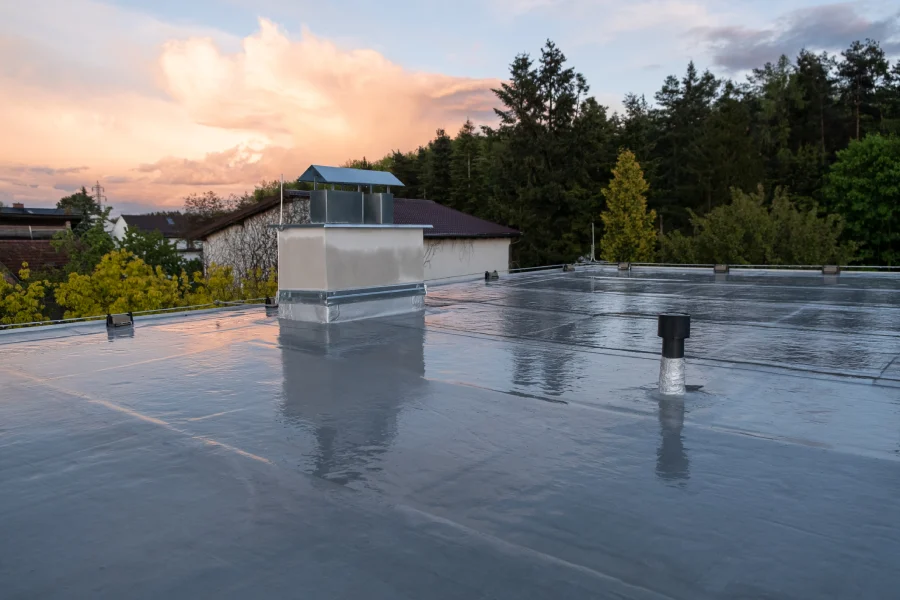
Rubber roofs, often made from EPDM membranes, are strong and flexible. But they can tear, shrink, or loosen at the seams over time. A rubber roof repair visit is designed to find the weak spots and fix only what is needed.
Most appointments follow a simple path:
- Full visual inspection of the roof surface
- Check of seams, flashing, and roof edges
- Moisture check under damaged areas
- Minor repairs completed the same day when possible
- Plan for larger repairs if needed
This step-by-step approach helps avoid patching the wrong area.
Common Problems Found During Inspection
Many rubber roof issues are easy to miss from the ground. During rubber roof repair, crews often find:
- Seam separation
- Small punctures from debris
- Cracks around vents or skylights
- Loose flashing at roof edges
- Ponding water that weakens the membrane
Even a small hole can lead to stains on ceilings or soft spots in insulation. Fixing these early keeps the problem from spreading.
How Repairs Are Typically Completed
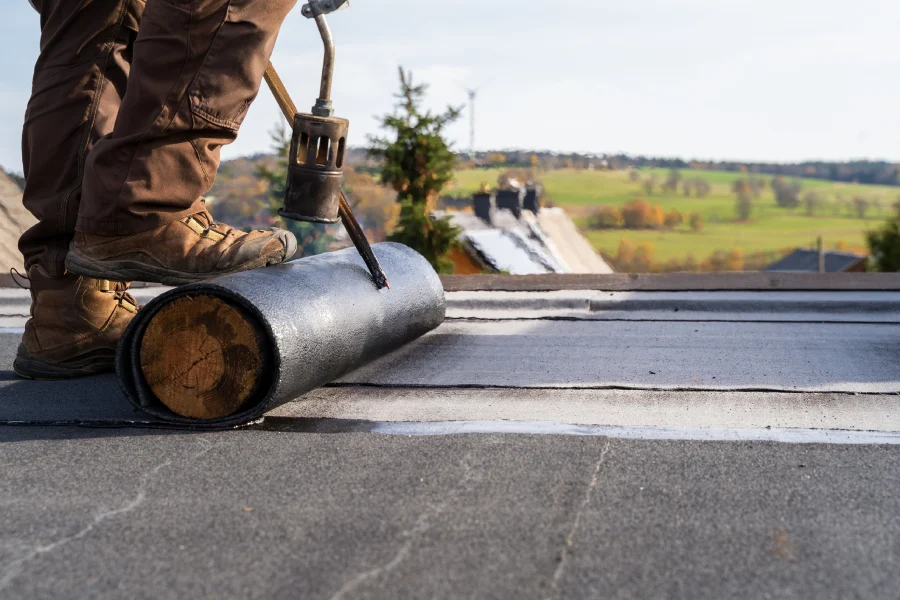
The exact method depends on the damage. A simple patch is different from resealing long seams. During rubber roof repair, professionals often:
- Clean the damaged area with approved cleaner.
- Remove loose debris and old adhesive.
- Apply primer if required.
- Install a compatible patch or seam tape.
- Roll and seal the material tightly.
- Check edges to confirm a tight bond.
For larger sections, part of the membrane may need to be replaced. If water has soaked the insulation, that layer may also need removal before the surface is sealed again.
How Long Repairs Take and What to Expect During the Visit
Small repairs can take one to three hours. Larger repair jobs may take a full day or more. Weather plays a big role. Rubber materials bond best in dry conditions.
You may hear light scraping or the sound of a roller tool. Most rubber roof repair work is quiet compared to full roof replacement. If sections must be removed, you may notice a brief odor from adhesives, but it fades quickly.
After the fix, the crew should inspect the area again for gaps or loose edges. Some may also spray water over the section to test for leaks.
What Rubber Roof Repair Will Not Fix
Repairs are very effective, but they are not a cure for every issue. If a roof is near the end of its life, patching may only delay replacement. Widespread shrinkage or major structural sagging often calls for a bigger solution.
A trusted roofing contractor will explain when a repair makes sense and when it does not. The goal should always be long-term performance, not a quick patch that fails next season.
How to Prepare for a Repair Appointment
You can make the visit smoother with a few simple steps:
- Clear vehicles away from the work area.
- Move fragile items from walls or ceilings below the repair spot.
- Share details about past leaks or repairs.
- Provide safe access to the building.
Clear communication helps the crew work faster and safer.
When to Call for Professional Help
If you see water stains, bubbling membrane, or lifted seams, do not wait. Rubber roofing problems rarely fix themselves. Small cracks grow over time, especially after heavy rain or strong sun exposure.
Call for rubber roof repair if:
- Water drips during storms
- You notice musty smells indoors
- The roof surface looks wrinkled or loose
- Your building has had recent storm damage
Fast action can prevent interior damage and mold growth.
Get Reliable Help for Your Roof
If you are in Brooklyn, NY and need help with a flat or low-slope roof, we are ready to assist. At GSC Roofing and Siding, we handle rubber roof repair with care and attention to detail. Call us at (347) 769-1438 to schedule an inspection or ask questions about your roofing system. We will explain your options clearly and help you protect your property for the long run.