
What to Expect From Start to Finish
The installation process for vinyl siding follows a clear set of steps that protect your home and improve its look. It starts with preparing the walls, adding a weather barrier, and then attaching panels in a way that allows them to expand and move. When done right, vinyl siding installation creates a tight seal against wind and rain while giving your home a clean, finished style.
What You Need Before Starting
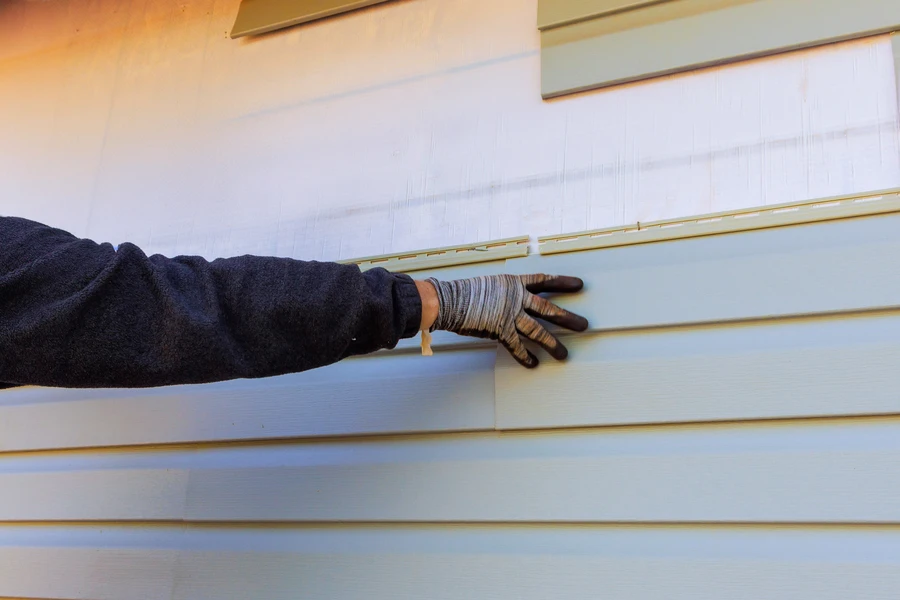
Before any panels go up, careful prep work must happen. Skipping this part can lead to loose siding, moisture problems, or uneven lines.
Here is what should be in place before work begins:
- Old siding removed if damaged or rotting
- Wall surface inspected for soft spots
- Rotten wood replaced
- Weather-resistant barrier installed
- Flashing added around doors and windows
This prep stage creates a flat, solid base. Without it, even the best vinyl siding installation will not last as long as it should.
Step-by-Step Overview of the Process
Once the surface is ready, the siding can be installed. The steps follow a set order to keep panels straight and secure.
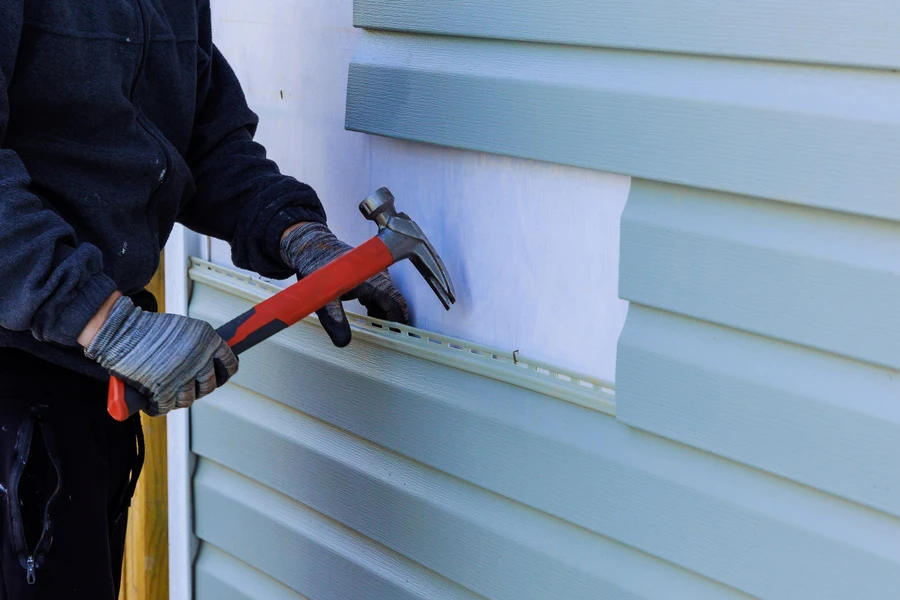
- Install starter strip: A metal or vinyl strip is placed at the base of the wall. This keeps the first row level.
- Add corner posts: Inside and outside corners are secured first so panels can lock into them.
- Place the first panel: The bottom panel hooks into the starter strip and is nailed loosely.
- Continue stacking panels: Each panel overlaps the one below it.
- Cut panels to fit: Pieces are trimmed around windows, doors, and rooflines.
- Install top trim: The final row is locked into undersill trim for a clean finish.
Nails are not driven in tight. Vinyl expands and shrinks with temperature changes. Leaving slight movement prevents buckling and warping.
Common Mistakes to Avoid
Vinyl siding looks simple, but small errors can cause big problems later.
Here are mistakes that happen often:
- Nailing panels too tightly
- Skipping house wrap
- Failing to check level lines
- Forgetting proper flashing around openings
- Cutting panels too short
For example, if panels are nailed tight, they may ripple during hot weather. If flashing is missing, water can slip behind the siding and damage the wall underneath. Good vinyl siding installation depends on patience and precision.
When to Call a Professional
Some homeowners feel comfortable handling small repairs. Installing full siding across an entire house is a much larger project.
You may want professional help if:
- Your home has multiple stories
- There is visible wall damage
- You see signs of moisture problems
- You want insulated siding panels
- You are unsure about local building codes
Professionals use special tools for clean cuts and straight lines. They also know how to work safely at heights. Most homes need several days of steady work to complete the job properly.
Final Recommendation and Next Steps
A proper vinyl siding installation protects your home from harsh weather and gives it a fresh new look. The process includes careful prep, accurate measuring, and correct panel placement. Missing even one step can shorten the life of your siding. Planning ahead, using quality materials, and following each step in order makes a big difference in how the finished project performs over time.
Ready for Help With Your Siding Project?
If you are planning a siding upgrade in Brooklyn, NY, our team is ready to help. At GSC Roofing and Siding, we handle every part of vinyl siding installation with care and attention to detail. We take the time to prepare your home correctly and install each panel the right way. Call us at (347) 769-1438 to schedule your consultation and get started.