Why Rubber Roofs Start Leaking and What Usually Causes the Damage
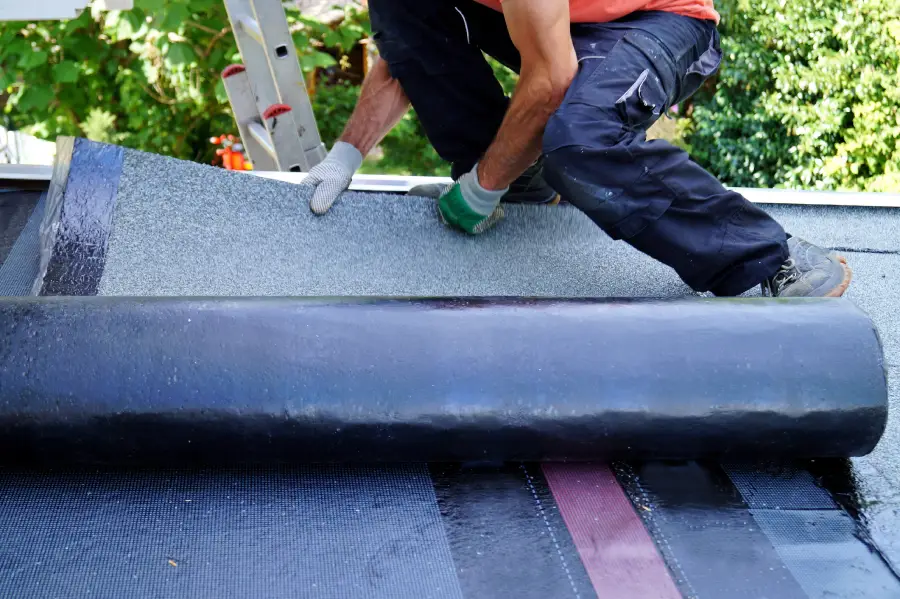
The top causes of leaks in rubber roof systems usually come down to seam failure, punctures, poor installation, and aging materials. When water gets under the membrane, even small gaps can lead to big problems. Most leaks start in weak spots like flashing, roof edges, or around vents and drains. Knowing where leaks happen helps you fix them faster and avoid major damage.
Common Symptoms of a Leaking Rubber Roof
Leaks do not always show up right away. Water can travel under the membrane before you see damage inside. Watch for these common signs:
- Water stains on ceilings or walls
- Bubbling or wrinkling in the rubber membrane
- Soft or spongy spots on the roof surface
- Mold or musty smells inside the building
- Dripping water during or after rain
If you notice any of these issues, it may be time to schedule rubber roof repair before the damage spreads.
Most Likely Causes of Leaks
Rubber roofing systems are durable, but they are not damage-proof. Over time, several issues can lead to leaks.
1. Seam separation
Rubber membranes are installed in large sheets. The seams are sealed with adhesive or tape. If the adhesive fails, water can slip through the gap.
2. Punctures and tears
Falling branches, tools, foot traffic, or sharp debris can puncture the membrane. Even a small hole can let in water.
3. Flashing damage
Flashing seals roof edges, vents, skylights, and HVAC units. When flashing cracks or pulls away, leaks often follow.
4. Poor installation
If the rubber membrane was not installed correctly, seams may not bond well. Improper drainage setup can also cause standing water.
5. Aging and weather exposure
Sunlight, heat, and freezing temperatures wear down roofing materials. Over many years, the membrane may shrink or crack.
What to Check First
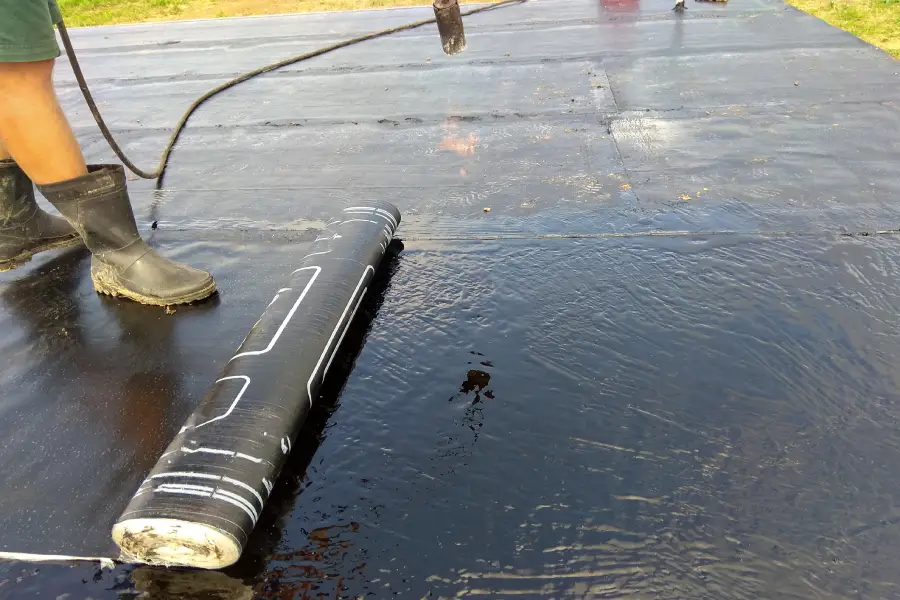
If you suspect a leak, start with a simple visual check. Safety comes first. Never walk on a wet or unstable roof.
- Look for visible cracks or punctures.
- Inspect seams for gaps or peeling tape.
- Check around vents and rooftop units.
- Clear debris from drains and low spots.
- Check the ceiling inside for active drips.
Standing water is a common warning sign. Flat and low-slope rubber roofs depend on proper drainage. If water sits too long, it increases the risk of leaks and membrane breakdown.
Safe Fixes Vs. Professional Repairs
Some minor issues can be handled with patch kits made for rubber roofing. Small punctures or loose seam edges may be sealed if caught early. Always clean and dry the area before applying any patch.
More serious issues need professional rubber roof repair. Large tears, widespread seam failure, water-soaked insulation, or structural problems are not simple fixes. In these cases, sections of the membrane may need replacement.
Working with an experienced roofing team also helps if your building falls under a commercial roofing category. Commercial properties often have larger surface areas and more rooftop equipment, which increases leak risks.
Prevention Tips to Avoid Future Leaks
Routine maintenance can extend the life of your rubber roof system. A few small habits can prevent costly repairs.
- Inspect the roof at least twice a year.
- Clear off branches, leaves, and debris.
- Limit foot traffic on the membrane.
- Check seams and flashing after major storms.
- Schedule professional inspections every few years.
Good drainage is key. Keep gutters and downspouts clear so water flows off the roof quickly. Proper care helps reduce the need for emergency rubber roof repair.
When to Call for Expert Help
If leaks keep coming back, spread across multiple areas, or cause interior damage, it is time for expert service. Water damage can weaken decking and insulation. The longer you wait, the more expensive the fix may become.
Property owners in Brooklyn, NY often deal with heavy rain and seasonal temperature changes. These weather shifts can stress rubber roofing systems over time.
Speak With a Local Roofing Team
If you are dealing with leaks or signs of membrane damage in Brooklyn, NY, we can help inspect the problem and recommend the right repair plan. At GSC Roofing and Siding, we handle everything from minor fixes to full rubber roof repair projects for commercial roofing properties. Call us at (347) 769-1438 to schedule a roof inspection and protect your building from further water damage.
[schemaorg type=”post” desc=”Explore the blog post titled ‘Top Causes Of Leaks In Rubber Roof Systems’ by %%nap_cn%%, a leading Roofing Contractor in %%nap_city%%, %%nap_state%%. Learn about common leak causes and preventative measures to extend the lifespan of your rubber roof. This invaluable resource is a must-read for any homeowner seeking to maintain and protect their property.” image1=”https://roofingcontractorbrooklyn-ny.com/wp-content/uploads/2026/07/Top-Causes-of-Leaks-in-Rubber-Roof-Systems-Brooklyn-NY.webp” image2=”https://roofingcontractorbrooklyn-ny.com/wp-content/uploads/2026/07/Top-Causes-of-Leaks-in-Rubber-Roof-Systems-in-Brooklyn-NY.webp”]